EP 373 | Building Community Through Movement: The Running Medicine Story with Dr. Anthony Fleg
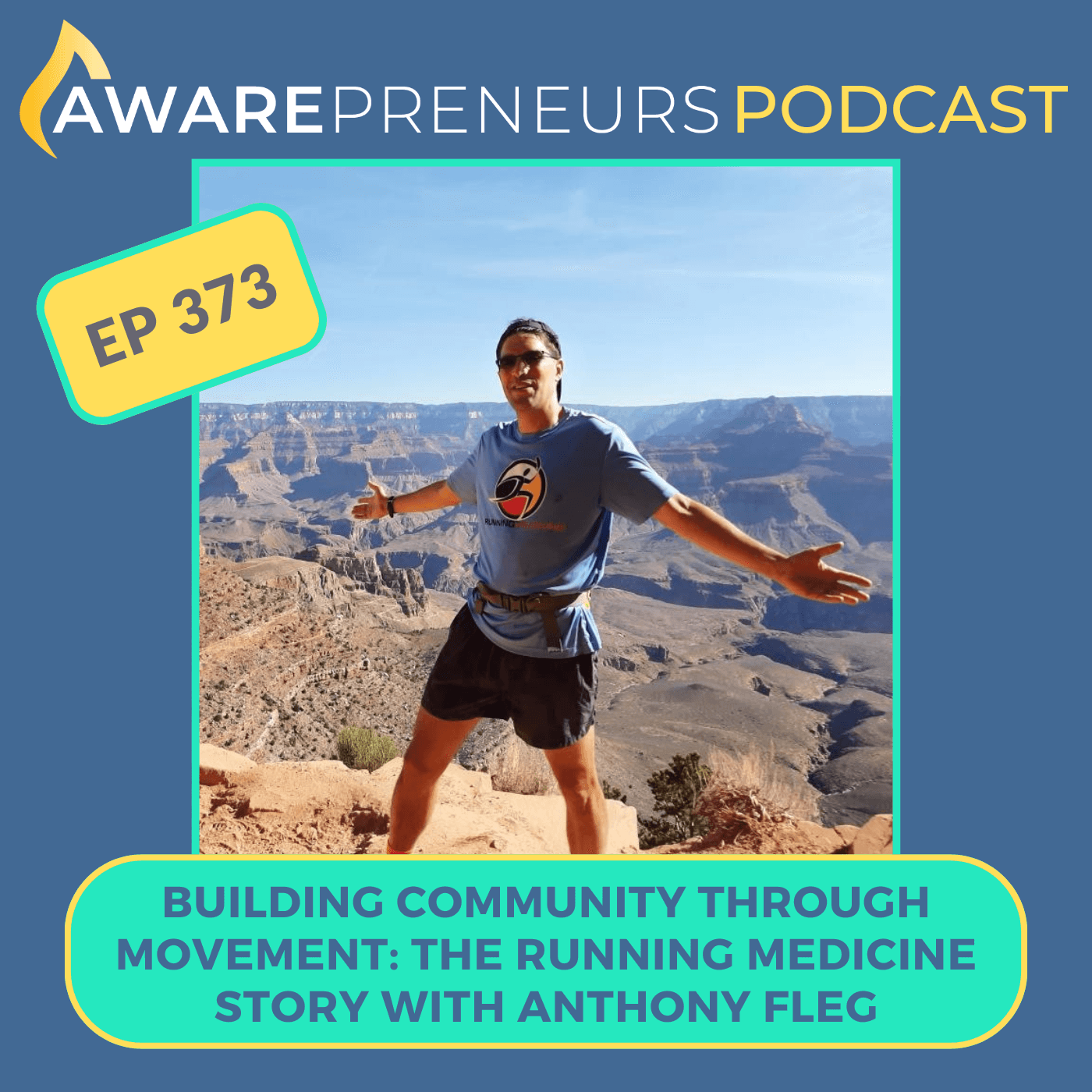
Anthony Fleg is a family medicine physician at UNM in the Department of Family and Community Medicine. Originally from Baltimore, Anthony grounds his healing work in undoing racism, health equity, movement as medicine, and with a focus on strengths and holistic health. He co-founded the Native Health Initiative (NHI) and its Running Medicine program, a unique approach to wellness through movement. He is a proud father of 4 children, an avid runner, and is about to release his second book, "Writing to Heal: The Journey Continues."
This episode is sponsored by the coaching company of the host, Paul Zelizer. Consider a Strategy Session if you can use support growing your impact business.
Resources mentioned in this episode include:
Transcript of The Running Medicine Story with Dr. Anthony Fleg
NOTE: While it’s not perfect, we offer this transcript and the below summaries by Castmagic for those who are hearing impaired or who don’t find listening to a podcast enjoyable or possible.
You can read the full transcript of this episode here
Key Takeaways in The Running Medicine Story with Dr. Anthony Fleg
1. Introduction to the Episode and Guest
Brief on Awarepreneurs [host Paul Zelizer’s mission]
Anthony Fleg’s background as a family medicine physician at UNM
Anthony’s roles: co-founder of Native Health Initiative, Running Medicine, upcoming book “Writing to Heal”
Personal connection between Paul and Anthony through shared running experiences
2. The Role of Movement in Holistic Health
Anthony’s passion for movement as medicine
Observations from family medicine: health issues due to lack of movement
Prescription of non-pharmaceutical, lifestyle-based health interventions
Benefits of movement: centering, slowing down, community building, connecting with self and others
3. Origins and Philosophy of the Native Health Initiative (NHI)
Lack of Indigenous voices in Anthony’s medical education
Unique funding model: love as foundation, minimal reliance on money/grants
Early operations: making impactful contributions with limited cash
Growth into a 20-year-old organization, balancing sustainability with foundational values
4. The Birth and Vision of Running Medicine
Frustration and inspiration leading to Running Medicine’s formation
Alignment with health equity and community movement
Organic, love-based founding model: no early fundraising, prioritizing human capital
Indigenous running traditions in the Southwest (e.g., Navajo kináaldá ceremony)
Decision to keep participation low-cost (but not free) to encourage value and commitment
5. Early Events and Community Response
First event details (March 12, 2016): organizational strategy and turnout (70 people)
Inclusive approach: all ages and abilities moving together
Intentional design for family and intergenerational participation
Early stories: supporting families through fitness and grief
6. Running Medicine’s Program Model and Funding
Living room strategy meetings: hashing out cost, logistics, and engagement
$15-20/season model (comparison to standard youth sports costs)
Reliance on partnerships, leveraging “losing money per participant” for positive impact
Distribution of high-value incentives with minimal resources
7. Measuring Success and Outcomes
Tensions and sensitivities around data collection in Native communities
Emphasis on rigorous but culturally relevant metrics
Four tracked domains: physical health, mental/emotional health, spiritual/cultural health, social connectedness
Notable findings: highest gains in social connection for both Native and non-Native participants
Importance of designing outcome measures specific to mission and values
8. Unique Community Culture of Running Medicine
Paul’s firsthand observations: highly interactive, supportive, social atmosphere
Structural elements: use of the circle, ceremonies, and inclusivity practices
Practices that foster belonging (e.g., no second rows, high-five lines)
Celebration of every participant and the importance of collective medicine
Deliberate distinctions from standard running/walking groups
9. Program Evolution and Adapting to Change
Programmatic expansion over 10 years
Response to the COVID-19 pandemic: incorporating yoga, HIIT, and virtual community connections
Expansion to include play-focused “fun days” and diverse movement modalities
Managing growth: allowing evolving programming while staying rooted in core values
10. Organizational Leadership and Sustainability
Leadership transitions: avoiding founder syndrome; handing over program operation
Growth to other sites, new partners, expanding web of support
Running Medicine as a vehicle for broader community health, connecting with awareness campaigns and social causes
11. Partnerships and Creative Resourcefulness
Example of partnership with a local running shoe store: discounted shoes, removing barriers to participation
Valuing people power and non-monetary contributions as crucial forms of support
Importance of recognizing all types of partnerships and the risk of overlooking human/volunteer capital
12. Final Reflections and Takeaways
Advice for social entrepreneurs: trust new models, focus on what’s unique and needed
Building community resources “out of air” through creativity and network leveraging
Invitation for listeners to connect, replicate, or adapt the Running Medicine model in their own communities
13. Call to Action and Closing
Sharing ways to contact Anthony and get involved
Encouragement to visit the Running Medicine and Native Health Initiative websites
Thank you to listeners and reminder to value positive impact and community well-being